RUMA
One-of-a-kind Moroccan rugs  ·  Now in New Zealand

RUMA

Fourteen one-of-a-kind Berber rugs, hand-selected in Morocco and shipped to Aotearoa. Each piece is knotted by hand using traditional methods. No two are alike, and none will be replicated.

Shop the Collection Follow on Instagram

Our Story

RUMA rugs are handwoven by Berber artisans in the High Atlas and Anti-Atlas mountains, and individually selected and sourced through Taroudant, the market town at the foot of the mountains where weavers bring their pieces to trade. Each rug is meticulously made using traditional Berber techniques, some taking months to complete. Due to the nature of the craft, slight asymmetries and variations are part of every rug's charm, not a flaw. We photograph each rug as true to colour as possible, but screens vary. If you'd like more detail or extra photos before buying, just ask.
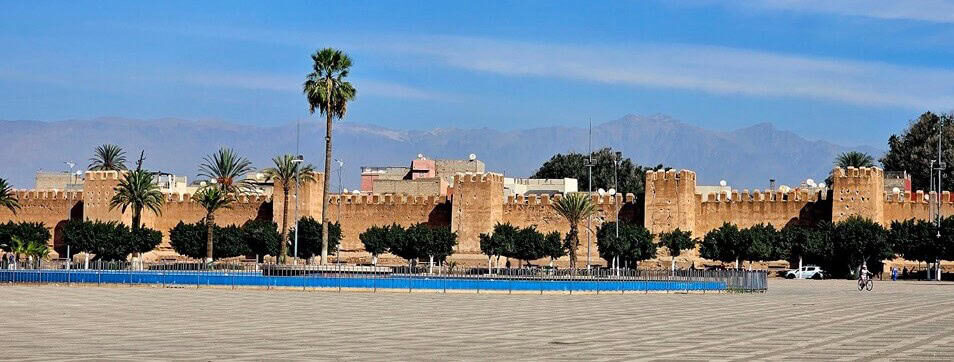
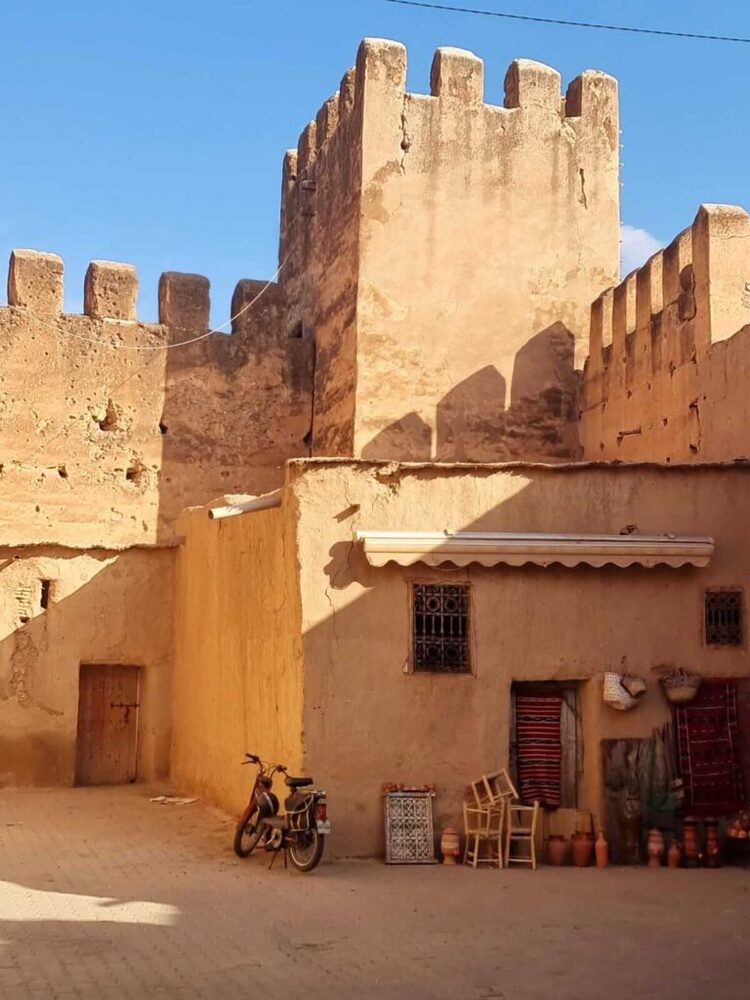
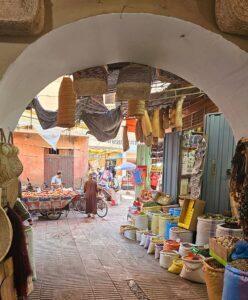
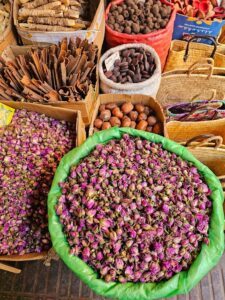
The walled market town of Taroudant, Morocco, gateway to the High Atlas and Anti-Atlas mountains Rugs and handwoven textiles for sale beneath the old kasbah walls, Taroudant Entrance to the souk market in Taroudant Rose petals and spices at the Taroudant souk

Taroudant, Morocco: the market town where every RUMA rug is sourced, woven nearby in the High Atlas and Anti-Atlas mountains
1

HANDWOVEN, NOT MASS-MADE

Every rug is tied knot by knot by Berber artisans in the High Atlas and Anti-Atlas mountains near Taroudant, some pieces take months to finish.

2

TRULY ONE-OF-A-KIND

No pattern or colourway is repeated. The rug you buy is the only one of its kind, anywhere.

3

EASY TO BUY

DM us on Instagram or email. We'll answer questions, send extra photos, and sort pickup or shipping.

Questions & Answers

A FEW THINGS PEOPLE ASK US

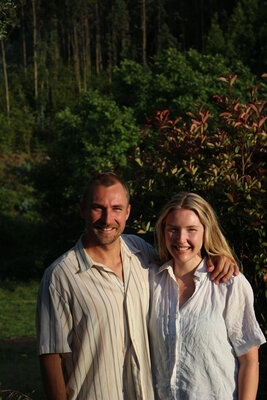
Kate and Tom, the people behind RUMA

Meet Kate & Tom

We're the two behind RUMA. We fell for these rugs while travelling through Southern Morocco, and now we hand-pick every piece ourselves. Here's a little more about how it all started and how we choose each rug.

How did the idea for RUMA come about, and what drew you to Moroccan rugs?

I (Tom) spent a European winter living in a campervan in Southern Morocco, and we kept coming across beautiful, unique handcrafted pieces that, frustratingly, we had no space for. When we eventually bought a house, we knew we must go back and find those colourful treasures again. In a world that can feel a little fixated on the safety of beige and the convenience of IKEA, supporting the makers behind these beautiful pieces, if we could, just made good sense.

How do you choose which pieces become part of the RUMA collection?

Honestly, we look for rugs that have a wow factor. The kind of pieces people are immediately drawn to when they walk into a room. Some of our rugs are real works of art and others err on the side of pure comfort and luxury for the way they physically feel. We also like many that are reversible and have different textures for the seasons.

What does the sourcing process in Morocco look like?

The rugs are all made in the Southern Atlas Mountains, but sourced in Taroudant, a small market town. They are normally made by women or groups of women. Families have their own style and techniques passed down through generations. When we buy a rug, a minimum of 80% of the purchase price goes directly to the maker, and the remainder goes to the cooperative that we source from.

What details do you look for when assessing craftsmanship and quality?

Generally we look for the rug to be heavy for its size and lay flat on the floor. It should have tight and non-uniform knots on the back, and it should feel supple but also dense. The fringes should also be natural extensions of the main body with no evidence of glue or non-natural materials. All RUMA rugs are handwoven, unique and come with their own charms and imperfections. In fact, if it's too uniform then it's been made by machine!

How are the rugs made, and how long does one typically take to complete?

The rugs are all made by hand and are either woven, embroidered, or a combination of both, and depending on size, can take up to a year to make, like RUMA 01 Paprika, 02 Henna, 03 Saffron and 05 Olive.

What materials are traditionally used in the rugs you source?

The materials are all natural and are typically sheep's wool, camel or both. We only buy rugs that use natural dyes, so you won't see any crazy technicolours in our pieces.

From our interview with Rotate NZ

Found the one?

Send us a DM with the rug name (e.g. "RUMA 05 Olive") and we'll confirm availability, size and delivery.

DM @ruma.rugs Email Us